Posted by harry willam
Filed in Business 1 view
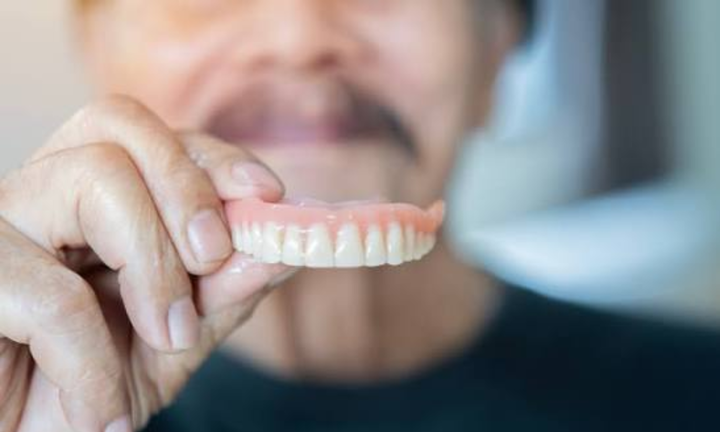
Dentures can restore much more than a missing smile. They can help make eating and speaking easier while supporting confidence in everyday situations. However, getting the most from dentures requires more than simply having them fitted. Regular cleaning, correct storage, professional check-ups and timely adjustments all play an important role in maintaining comfort and oral health.
Whether you are getting dentures for the first time or have worn them for years, understanding how to care for them can help you avoid common problems and keep your dentures in better condition for longer.
Dentures are removable dental appliances designed to replace missing teeth. Depending on your needs, you may require complete dentures to replace all the teeth in an upper or lower arch, or partial dentures to replace some missing teeth while working alongside your remaining natural teeth.
A dental professional will assess your mouth before recommending the most appropriate option. The fitting process generally involves taking measurements or impressions of your mouth, although some practices may use digital scanning technology.
The right denture should provide a balance between appearance, function and comfort.
Dentures are exposed to food particles, saliva and bacteria throughout the day. Without regular cleaning, plaque, stains and debris can build up on their surfaces.
Poor denture hygiene may contribute to bad breath, gum irritation, mouth soreness and infections. The Oral Health Foundation's current denture care guidelines recommend daily mechanical cleaning, appropriate denture cleansing and regular professional maintenance.
Looking after your dentures also helps protect the rest of your mouth. If you have remaining natural teeth, they still require regular brushing and professional care to reduce the risk of tooth decay and gum disease.
Daily cleaning should be a fundamental part of your denture routine.
Remove your dentures carefully and rinse them to loosen food particles. Use a soft toothbrush or denture brush with a suitable non-abrasive cleanser. NHS guidance advises against using ordinary toothpaste on dentures because it can damage or scratch their surfaces.
Clean all areas of the denture, including the surface that rests against your gums. If food or plaque remains underneath the denture, it can contribute to irritation and unpleasant odours.
It can also be useful to rinse your dentures after meals to remove loose food debris.
When cleaning them, take care not to drop your dentures. Cleaning over a basin containing water or a soft towel can reduce the chance of damage if they slip from your hands.
Brushing provides mechanical cleaning, while an appropriate denture-cleaning solution can provide additional cleaning.
The Oral Health Foundation's 2026 guidelines recommend daily soaking in a suitable denture-cleansing solution after mechanical cleaning. These products should only be used outside the mouth and according to the manufacturer's instructions.
Do not automatically assume that household cleaning products are suitable for dentures. Some substances may damage the denture material or leave unwanted residues.
If you are unsure which cleaning product is appropriate, ask your dental professional for advice.
Unless your dental professional gives you a specific reason to do otherwise, removable dentures should generally be taken out at night.
Removing dentures allows the tissues underneath them to rest. Current guidance from the Oral Health Foundation recommends avoiding overnight denture wear, while NHS guidance also advises removing dentures at night.
Before storing them, clean your dentures properly and place them in an appropriate container or storage solution according to your dental professional's instructions.
Keeping dentures out of your mouth overnight can also help reduce the opportunity for food debris and microorganisms to remain trapped against the gums.
Denture care should always include care of your mouth.
Brush your gums, tongue and palate gently with a soft toothbrush. If you have natural teeth, continue brushing them twice a day with fluoride toothpaste. This is particularly important with partial dentures because plaque can accumulate around both the denture and natural teeth.
Good oral hygiene can help keep your mouth healthier and may also make wearing dentures more comfortable.
New dentures can initially feel strange. They may seem bulky, and speaking or eating may require some practice.
This adjustment period is normal for many new denture wearers. Starting with softer foods and gradually returning to your usual diet can make eating easier. Speaking aloud or reading at home can also help you become accustomed to the way your dentures feel.
However, persistent discomfort should not simply be accepted. If your dentures continually rub your gums, cause pain or move excessively, contact your dental professional.
Even well-maintained dentures can change over time. Your gums and jawbone naturally change shape, which can cause dentures to become loose. Dentures can also become worn or damaged through regular use.
Look out for signs such as:
Dentures slipping while speaking or eating
Clicking when you talk
Persistent sore areas
Difficulty chewing
Cracks or visible damage
Changes in your bite
Red or bleeding gums
Persistent bad breath
These problems may indicate that your dentures need adjustment, repair, relining or replacement.
Do not attempt to reshape or repair dentures yourself. Professional assessment can help identify the cause of the problem and determine the most appropriate solution.
Choosing an experienced local provider can make ongoing denture care easier. A denture clinic in Peterborough can help with denture assessments, fitting, repairs, adjustments and advice on maintaining your dentures.
For example, H & A Denture Clinic is a specialist denture-focused business in Peterborough, while local dental practices such as Peterborough Dental Hub and Smile Oralcare provide dental services in the area.
When choosing a provider, consider their experience, the services they offer and whether they provide appropriate follow-up care after your dentures have been fitted.
Having dentures does not mean you no longer need dental appointments. Regular professional reviews allow your dental team to check the condition of your dentures and the health of your mouth.
The Oral Health Foundation recommends that people who wear removable dentures have a regular recall and maintenance programme with their dental professional.
Your dentures may have fitted perfectly when they were first made, but changes in your mouth can affect their fit later. Professional reviews can help identify these changes before they develop into more significant comfort or oral health problems.
Good daily habits can help maintain your dentures and reduce avoidable damage.
Remember to:
Clean your dentures every day
Rinse them after meals when practical
Use a non-abrasive denture cleanser
Avoid cleaning them with ordinary toothpaste
Remove them at night unless advised otherwise
Store them safely when not in use
Clean your gums, tongue and remaining teeth
Attend regular dental appointments
Seek professional help if they become uncomfortable or damaged
Although proper care can help dentures last for years, they will not necessarily last indefinitely. Normal wear and changes to your mouth can eventually mean that dentures require adjustment, relining or replacement.
Good denture care is a combination of daily hygiene and professional maintenance. Cleaning your dentures correctly, removing them at night, looking after your gums and attending regular check-ups can all contribute to better comfort and oral health.
If your dentures no longer fit properly, cause persistent discomfort or show signs of damage, professional advice is important. With appropriate care and regular reviews, you can help keep your dentures clean, comfortable and functional for longer.
Whether you are considering dentures for the first time or need help maintaining an existing set, speaking with a qualified dental professional can help you find the right approach for your individual needs.