Posted by Jennie Carter
Filed in Health 10 views
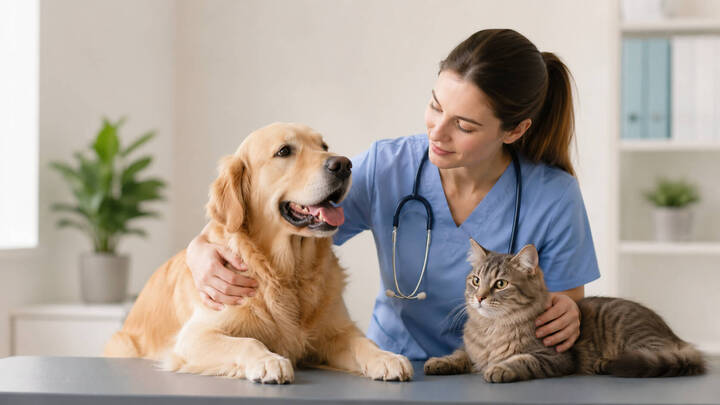
Choosing a veterinarian is an important decision for every dog or cat owner. Your pet may need routine examinations, vaccinations, dental care, parasite prevention, treatment for illness, or urgent medical attention at different stages of life. Finding a veterinary clinic that you can trust before a health problem occurs can make those situations much easier to manage.
For pet owners looking for a reliable vet brampton option, it helps to look beyond location or price alone. The right veterinarian should have the appropriate medical services, a knowledgeable team, clear communication, and an approach that makes both you and your pet feel comfortable.
Every pet is different. A young puppy may need several vaccinations and regular developmental checks, while an older cat may require closer monitoring for age-related health concerns. Some pets may also need dental treatment, surgery, diagnostic imaging, or ongoing care for a medical condition.
Before choosing a veterinarian, think about what your pet needs now and what they may need in the future. A clinic that provides a broad range of veterinary services can make it easier to maintain continuity of care instead of having to find a new provider whenever your pet requires another type of treatment.
Convenience matters when your pet needs regular veterinary care. A clinic that is reasonably close to your home can make routine appointments easier and may also be more practical when your pet suddenly becomes unwell.
Check the clinic's regular hours and ask how urgent situations are handled. Some veterinary practices provide urgent care during their regular operating hours, while others may refer emergencies to a separate emergency facility.
It is also worth considering parking, accessibility, and appointment availability. These details may seem minor when your pet is healthy but can become important when you are transporting an injured, frightened, or sick animal.
A good veterinary relationship should support your pet through different stages of life. When comparing clinics, look at the services available rather than choosing based only on the initial examination fee.
Common services to consider include:
Wellness examinations
Vaccinations
Parasite prevention and testing
Dental examinations and treatment
Blood and laboratory testing
Digital X-rays
Ultrasound
Surgery
Anesthesia
Microchipping
Eye care
Emergency or urgent care
Having diagnostic and treatment services available within the same practice can be useful when your veterinarian needs additional information to understand your pet's condition. The American Animal Hospital Association also recommends considering preventive care, diagnostic capabilities, treatment options, emergency arrangements, and the clinic's other services when evaluating a veterinary practice.
Medical knowledge is important, but communication is also a major part of good veterinary care.
During your first interaction with a clinic, notice whether the staff listens to your concerns and explains things clearly. A veterinarian should be willing to discuss your pet's condition, explain recommended tests or treatments, and answer reasonable questions about your options.
You should also feel comfortable asking about costs before proceeding with non-emergency procedures. Understanding what is being recommended and why can help you make informed decisions about your pet's care.
Good communication should continue after the appointment. Ask how the clinic handles follow-up questions, test results, medication instructions, and future appointments.
You do not need to be an expert in veterinary medicine to evaluate a clinic. Look for a facility that appears clean, organized, and appropriately equipped for the services it provides.
Diagnostic equipment can be particularly valuable when a pet develops an unexplained problem. Blood testing, radiography, and ultrasound can help veterinarians investigate different health concerns and determine appropriate treatment.
The overall environment matters too. A calm, organized clinic can make appointments easier for pets that become nervous around unfamiliar people or animals.
The best veterinary relationship is not only about treating illness. Preventive care helps your veterinarian monitor your pet's health and identify potential concerns before they become more serious.
Ask how the clinic approaches vaccinations, parasite prevention, dental health, nutrition, weight management, and routine examinations. Preventive recommendations should be based on your pet's age, lifestyle, health history, and individual risk factors rather than assuming that every animal needs exactly the same plan.
Veterinary preventive-care guidance also emphasizes discussing behavior concerns, monitoring weight, and using appropriate testing based on an individual pet's needs.
A pet's experience at the clinic matters. Some dogs become nervous around veterinary visits, while cats may be particularly uncomfortable with unfamiliar surroundings.
When visiting a potential clinic, observe how the staff interacts with animals. Do they handle your pet calmly? Do they give you an opportunity to explain your pet's behavior and concerns? Does the team appear patient rather than rushing through the appointment?
These details can influence how willing your pet is to return for future preventive care.
Veterinary care involves costs, and prices can vary depending on the examination, testing, medication, procedure, and level of care required. Rather than choosing a veterinarian based solely on the lowest advertised price, ask what is included and what additional costs may apply.
For planned procedures, request an estimate and ask the veterinarian to explain the recommended services. This gives you a clearer understanding of the expected expense and allows you to make an informed decision.
The AAHA also recommends discussing costs and payment options with a veterinary practice before care is provided when possible.
Online reviews can help you identify common experiences reported by other pet owners, but they should not be the only factor in your decision.
Instead of focusing solely on the overall rating, look for recurring comments about communication, staff behavior, cleanliness, appointment experiences, explanations of treatment, and how the clinic handles concerns.
You can also ask friends, family members, or other local pet owners about their experiences. Personal recommendations can give you additional questions to ask when comparing veterinary practices.
McQueen Animal Hospital is located at 8975 McLaughlin Rd S in Brampton and provides veterinary care for pets in Brampton and surrounding communities. The hospital offers consultation and examination, vaccinations, dentistry, digital dental radiography, digital radiography, in-house laboratory services, on-site ultrasonography, surgery, anesthesia, microchipping, ophthalmology, and emergency care during its regular operating hours.
The hospital states that its approach is centered on providing friendly, knowledgeable, and affordable veterinary care. Its veterinary team includes multiple veterinarians and a registered veterinary technician, and the hospital emphasizes continuing professional education.
For pet owners who want several routine and diagnostic services available through one veterinary practice, having these capabilities in one location can be convenient. The clinic also provides a reception environment designed to accommodate pet owners and offers veterinary prescription diets and other pet-care resources.
Before choosing any veterinarian, it is still important to discuss your pet's individual needs directly with the veterinary team and determine whether the clinic is the right fit for your dog or cat.
If you are comparing veterinary clinics in Brampton, consider asking:
Which preventive-care services do you provide?
What diagnostic equipment is available at the clinic?
How are urgent or emergency situations handled?
What should I bring to my pet's first appointment?
How will I receive test results and follow-up instructions?
Can I receive an estimate before planned procedures?
How do you approach nervous dogs or cats?
Which services are performed in-house, and when are referrals recommended?
The answers can help you determine whether a veterinary practice matches your expectations and your pet's needs.
Choosing a veterinarian is about more than finding the closest clinic. You are choosing a healthcare partner who may care for your dog or cat for many years.
Look for a practice with appropriate veterinary services, accessible hours, clear communication, suitable facilities, transparent discussions about costs, and a team that treats your concerns seriously. Most importantly, choose a veterinarian with whom you feel comfortable discussing your pet's health.
Taking time to make this decision while your pet is healthy can help you establish a relationship before you need urgent medical care. For Brampton pet owners, researching local veterinary practices and asking the right questions can make it easier to find care that fits both your expectations and your pet's individual needs.