Blogs » Arts & Culture » How IPTV Supports Better Entertainment Across Multiple Devices
Posted by Rebekah Rebekah Wed at 12:49 PM
Filed in Arts & Culture 2 views
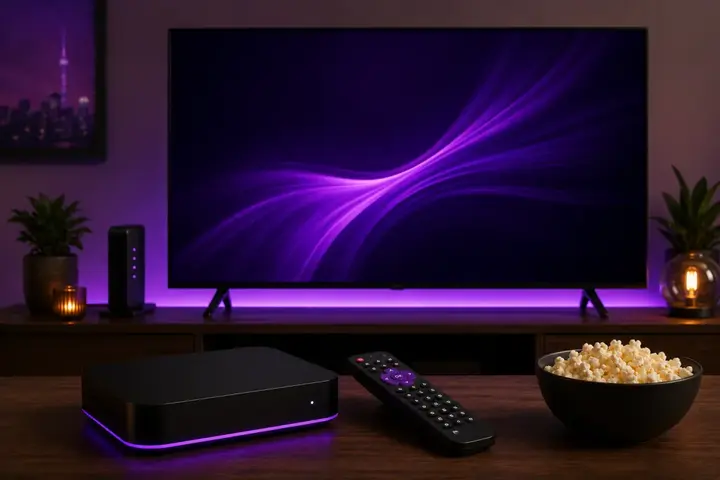
The modern television experience is no longer limited to a single screen. People now move between smart TVs, smartphones, tablets, and computers throughout the day, creating a demand for entertainment that can keep up with these changing habits.
IPTV has become part of this shift by delivering television content through an internet connection. With the right setup, viewers can enjoy live programs and other entertainment on compatible devices while maintaining greater flexibility in how they spend their leisure time.
For many households, the living room television remains the main source of entertainment. However, other devices have become equally useful in different situations.
A smartphone may be convenient while traveling, while a tablet can be useful for casual viewing. Laptops also provide another option for people who prefer watching content while working or studying.
This variety means viewers can choose a screen based on where they are and what they are doing.
Having access across multiple compatible devices can make entertainment more convenient for families and individuals. Instead of relying on one screen, users can select the device that best suits the moment.
For example, a family might use a smart TV for an evening movie while another household member watches a different program on a tablet. This flexibility can reduce conflicts over what to watch and make better use of the devices already available at home.
Modern audiences increasingly value digital viewing because it can fit around their routines rather than requiring them to follow a traditional television schedule.
A flexible setup may allow viewers to enjoy:
The exact availability depends on the platform and subscription, but the broader advantage is having more flexibility in how entertainment is accessed.
Not every device provides the same viewing experience. Screen size, processing performance, internet connectivity, and operating system compatibility can all affect playback.
Smart TVs are often ideal for family viewing because of their larger screens. Tablets and smartphones are more portable, while computers can provide a practical option for viewers who spend considerable time at a desk.
Before selecting an IPTV service, users should check which devices are supported and whether the setup process is straightforward.
Multi-device entertainment depends heavily on a stable internet connection. When several devices are streaming at the same time, network performance can become especially important.
A reliable home connection can help reduce buffering and maintain better playback quality. Users should also consider their internet speed, Wi-Fi coverage, and the capabilities of their streaming devices.
Device compatibility is only one part of a good streaming experience. Viewers should also compare other factors before making a decision.
Important considerations include:
Taking these factors into account can help viewers select a service that works well with their existing entertainment setup.
IPTV is helping reshape entertainment by making television content more adaptable to the way people use technology today. With compatible smart TVs, smartphones, tablets, and computers, viewers can enjoy greater freedom over where and how they watch.
As connected devices continue to evolve, multi-device entertainment is likely to become an even more important part of the modern viewing experience.