Posted by john wood
Filed in Technology 1 view
Good writing is not only about having strong ideas. It is also about presenting those ideas clearly, naturally, and accurately. A small spelling mistake, awkward sentence, or punctuation error can change how readers perceive a piece of content. This is where an AI proofreader can make the editing process easier.
Whether we are preparing a blog post, academic assignment, email, business document, or website copy, proofreading can take considerable time. An AI proofreader can quickly review text, identify potential problems, and suggest improvements while allowing us to keep control of the final version.
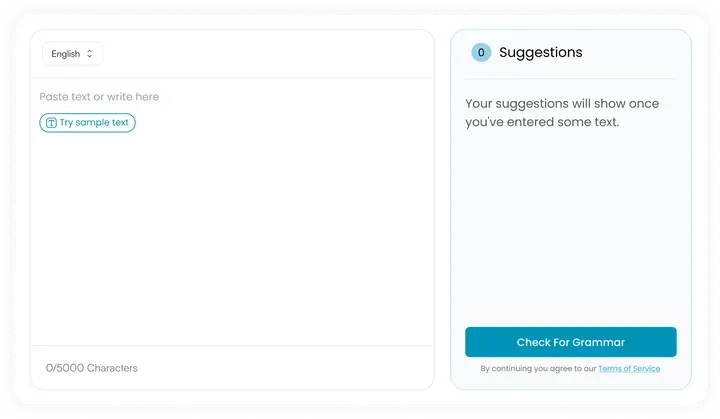
An AI proofreader is a digital writing assistant that uses artificial intelligence and natural language processing to examine written content. It looks for common writing issues such as grammar mistakes, spelling errors, punctuation problems, unclear wording, and sentence structure issues.
Unlike traditional proofreading that requires us to review every sentence manually, an AI-powered tool can analyze large amounts of text within seconds. This makes it useful for both quick corrections and more detailed editing.
AI proofreading systems analyze the context surrounding words rather than relying only on fixed grammar rules. This allows them to recognize whether a particular word or sentence structure makes sense within the broader passage.
For example, an AI proofreader may identify an incorrect verb tense, recommend a more natural sentence structure, or highlight repeated words. Depending on the platform, it may also provide suggestions for improving readability and clarity.
Proofreading manually is valuable, but even experienced writers can overlook mistakes after spending a long time with the same document. Familiarity with our own writing can make small errors surprisingly difficult to notice.
An AI proofreader provides an additional layer of review.
One of the most obvious benefits is identifying basic language mistakes. The tool can flag spelling errors, missing words, incorrect verb forms, and grammatical inconsistencies.
These suggestions can be especially helpful when we are working quickly or writing in a language that is not our first language.
Correct grammar does not always mean effective writing. A sentence can be technically correct while still sounding confusing or unnecessarily complicated.
An AI proofreader can suggest alternative wording that makes an idea easier to understand. This can help us create content that feels smoother without changing the original message.
Long documents can take hours to proofread manually. AI-powered proofreading can review content almost instantly, allowing us to focus more attention on research, ideas, structure, and creativity.
For content teams and professional writers, this can make the editing workflow considerably more efficient.
AI proofreading and human proofreading each have different strengths. Artificial intelligence can identify patterns quickly and consistently, while human editors can understand deeper context, intention, humor, cultural references, and personal voice.
For this reason, using both approaches can often produce better results.
An AI grammar checker can serve as the first editing layer, helping us find obvious errors before a final human review. The writer can then decide which suggestions actually improve the content.
An AI proofreader should support our writing rather than replace our judgment. Not every suggestion is automatically better than the original sentence.
Context matters. A writer may intentionally use informal language, industry-specific terminology, or a particular stylistic choice. Automatically accepting every recommendation could make the content sound generic or remove an important part of the writer's voice.
The best approach is to review suggestions carefully and accept only changes that improve accuracy, clarity, or readability.
AI proofreading can be useful across many writing situations. Students can review essays and assignments, professionals can polish reports and emails, and website owners can improve blog articles and landing pages.
Content creators can also use proofreading tools before publishing online material. For websites such as isgen.ai, AI-powered writing solutions can become part of a broader workflow focused on creating clear, reliable, and reader-friendly content.
For people writing in English as a second language, proofreading technology can provide valuable assistance. It can identify errors that may otherwise be difficult to spot and offer alternative ways to express an idea.
This does not eliminate the need to learn grammar or vocabulary. Instead, it provides immediate feedback that can help writers recognize recurring mistakes and gradually improve their skills.
An AI proofreader can make the writing and editing process faster, more convenient, and more consistent. From correcting spelling and grammar to improving sentence clarity, it provides useful assistance at almost every stage of content creation.
However, the strongest results come when technology and human judgment work together. AI can identify potential problems quickly, while we remain responsible for deciding whether a suggested change fits our meaning, audience, and writing style.
Used thoughtfully, an AI proofreader is more than a simple error checker. It can become a practical part of a modern writing workflow, helping us produce content that is clearer, cleaner, more polished, and easier to understand.